
A Beginner's Guide to Wine Tasting Without Feeling Intimidated
A simple, no-pressure guide to wine tasting for beginners who want to feel more confident, less intimidated, and actually enjoy the experience without overthinking it.
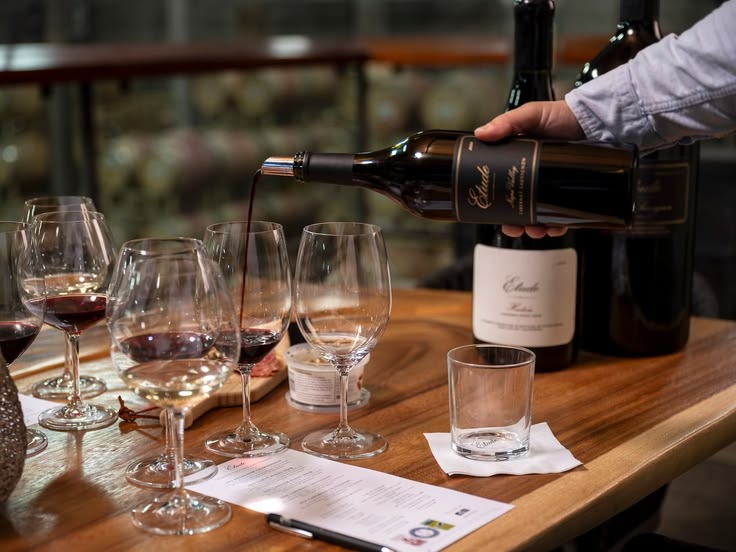
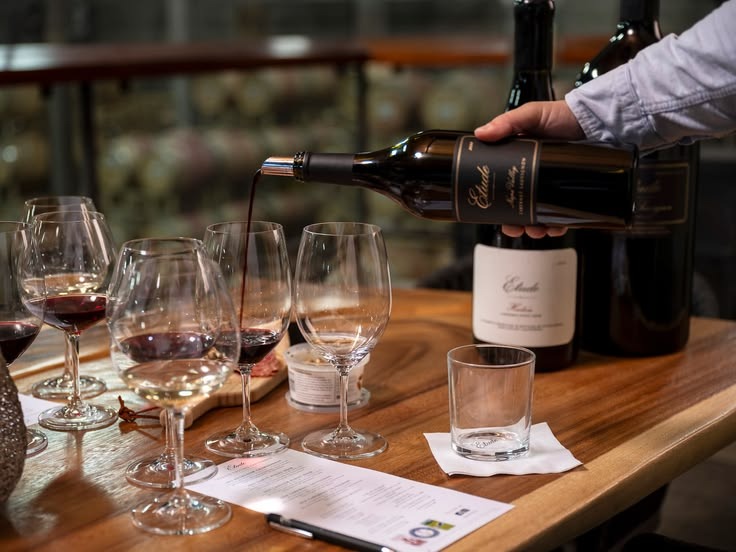
A Beginner's Guide to Wine Tasting Without Feeling Intimidated
Let's be honest.
Most of us didn't grow up swirling glasses, discussing notes of blackberry, or confidently ordering a bottle from a wine list. For many women, wine tasting can feel like one big club where everyone seems to know the rules except you.
Here's the good news: there are no rules.
Wine tasting isn't about sounding sophisticated. It's about discovering what you enjoy, trying something new, and having a good time while doing it.
Whether you're joining a wine night, attending your first tasting event, or simply want to feel a little more confident ordering a glass, this guide is for you.
First Things First: There Is No "Right" Wine
One of the biggest misconceptions about wine is that some preferences are somehow better than others.
Love sweet wines? Great.
Prefer a crisp white over a bold red? Perfect.
Only drink rosé during patio season? You're among friends.
The goal isn't to train yourself to like what everyone else likes. The goal is to find what you genuinely enjoy.
Understanding The Basics
You don't need a sommelier certification to understand wine.
Here's a quick breakdown:
Red Wines
Typically richer, fuller-bodied, and often paired with heavier meals.
Common varieties:
Cabernet Sauvignon
Pinot Noir
Merlot
Malbec
White Wines
Usually lighter, crisper, and refreshing.
Common varieties:
Sauvignon Blanc
Pinot Grigio
Chardonnay
Riesling
Rosé
A perfect middle ground that's versatile, approachable, and ideal for brunches, patios, and girls' nights.
Sparkling Wines
Think Champagne, Prosecco, and Cava.
Perfect for celebrations—or honestly, any Tuesday.
The Four-Step Wine Tasting Method
When attending a tasting, you'll often hear people talk about looking, smelling, and tasting.
It sounds intimidating, but it's actually simple.
1. Look
Notice the color.
Is it light?
Dark?
Golden?
Ruby red?
You don't need to analyze it deeply—just observe.
2. Smell
Take a gentle sniff.
What does it remind you of?
Fruit?
Flowers?
Vanilla?
Chocolate?
Nothing at all?
There are no wrong answers.
3. Sip
Take a small sip and let it sit on your tongue for a moment.
Ask yourself:
Is it sweet?
Is it dry?
Is it light or bold?
Would I order this again?
That's really all that matters.
4. Enjoy
The most important step.
Wine tasting should be fun—not homework.
Wine Tasting Etiquette Nobody Talks About
Let's clear up a few myths.
You Don't Have To Finish Every Glass
It's completely normal to take a few sips and move on.
You Don't Have To Know Fancy Terms
Nobody is grading you.
"It's fruity" is a perfectly acceptable description.
Ask Questions
Most wineries and tasting rooms love helping beginners.
If you're curious, ask.
If you're confused, ask.
That's how everyone learns.
Building Your Personal Wine Personality
Instead of memorizing wine facts, start paying attention to patterns.
Ask yourself:
Do I prefer sweet or dry?
Red or white?
Light-bodied or bold?
Fruity or earthy?
After a few tastings, you'll start noticing what consistently shows up in your favorites.
That's when wine becomes much more fun.
Our Final Thought
Wine tasting isn't about becoming an expert.
It's about slowing down, trying something new, sharing experiences, and creating memories with people you enjoy being around.
The next time you're handed a wine glass, don't worry about impressing anyone.
Take a sip.
Trust your taste buds.
And remember: the best wine is the one you actually enjoy drinking.
Cheers.
— The Doe District Social Club